Confidence is rarely the result of a single moment or dramatic change. More often, it grows quietly through repeated actions, thoughtful routines, and a commitment to caring for yourself even when life feels busy or overwhelming. When people talk about confidence, they sometimes frame it as an internal trait you either have or do not have. In reality, confidence is shaped by habits, decisions, and the way you respond to yourself over time. Consistency and self-care work together to create stability, self-trust, and a stronger sense of personal control, all of which help improve your confidence in meaningful and lasting ways.
Consistency gives structure to your life. It provides predictability in how you show up for yourself, whether that means maintaining routines, honoring boundaries, or following through on personal goals. Self-care, on the other hand, ensures that those routines support your physical, emotional, and mental well-being rather than becoming another source of pressure. When combined, these two elements reinforce each other. Consistency helps you see progress, while self-care helps you feel worthy of that progress. Together, they create a foundation that allows you to improve your confidence gradually, authentically, and sustainably.
The sections below explore how consistency and self-care influence confidence across different areas of life, from physical well-being to personal expression and emotional resilience. Each section focuses on a specific aspect of self-investment and explains how showing up for yourself over time can reshape how you see yourself and how you move through the world.
Building Self-Trust Through Reliable Routines
Confidence begins with self-trust, and self-trust is built when your actions consistently align with your intentions. When you follow through on commitments to yourself, even small ones, you send a powerful message that you are dependable. This sense of reliability becomes internalized, making it easier to believe in your abilities and decisions. Over time, this internal alignment helps improve your confidence because you are no longer questioning whether you will support yourself when it matters.
Reliable routines play a critical role in this process. Morning habits, movement schedules, nutrition choices, and rest patterns all contribute to a sense of stability. When your days have a rhythm, you spend less mental energy managing uncertainty and more energy engaging with your goals. This consistency reduces self-doubt and increases clarity, both of which are essential for confidence. Knowing what to expect from yourself allows you to approach challenges with greater composure.
Physical self-care routines are often where people first notice the confidence-building effects of consistency. For example, maintaining regular appointments related to mommy makeovers can represent more than a physical change; it reflects a deliberate choice to prioritize yourself after significant life transitions. The confidence boost does not come solely from appearance, but from the act of showing up consistently for your own needs. That follow-through reinforces self-respect and personal agency.
Consistency also reduces decision fatigue, which can erode confidence over time. When routines are established, fewer daily choices require emotional negotiation. This mental clarity allows you to respond to situations with greater assurance rather than hesitation. As your trust in yourself grows, so does your willingness to take healthy risks, speak up, and pursue opportunities that align with your values.
Caring for Your Appearance as an Act of Self-Respect
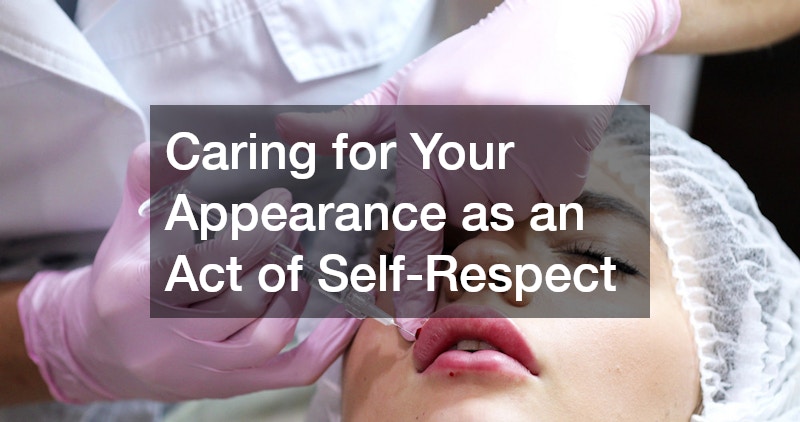
Appearance-related self-care is often misunderstood as vanity, but when approached mindfully, it can be a meaningful expression of self-respect. Consistently caring for your appearance is less about meeting external standards and more about honoring how you want to feel in your own body. When your outer presentation reflects your inner sense of care, it becomes easier to improve your confidence in both personal and professional settings.
Self-care routines related to appearance help create a sense of intentionality. Scheduling regular grooming, skincare, or wellness appointments requires planning and follow-through, reinforcing consistency. Over time, these actions signal that you value yourself enough to invest time and energy into your well-being. This internal validation often has a stronger impact on confidence than external compliments.
For some individuals, treatments like dermal fillers are part of this broader self-care approach. When chosen thoughtfully, such decisions can help people feel more aligned with their self-image. The confidence gain often stems from feeling proactive rather than reactive about personal appearance. Consistency in care, rather than chasing quick fixes, helps maintain realistic expectations and emotional balance.
It is important to recognize that confidence grows when appearance-related choices are grounded in personal intention rather than comparison. Consistent self-care allows you to define what feeling good looks like for you. Over time, this clarity reduces self-criticism and replaces it with a more compassionate self-view. As self-respect deepens, the ability to improve your confidence becomes less dependent on external approval and more rooted in internal satisfaction.
Physical Comfort and Its Influence on Emotional Confidence
Physical comfort is closely tied to emotional well-being, yet it is often overlooked in discussions about confidence. When your body feels strained, tired, or uncomfortable, it becomes harder to project assurance or feel at ease in social situations. Consistent attention to physical comfort through self-care practices can significantly improve your confidence by reducing distractions and increasing presence.
Posture, mobility, and overall physical ease affect how you interact with the world. When discomfort is managed proactively, you are better able to focus on communication, decision-making, and connection. Over time, this physical ease translates into emotional steadiness. You begin to trust that your body can support you through daily demands, reinforcing self-belief.
Procedures such as eyelid lifts are sometimes pursued to address physical discomfort as much as appearance. For individuals experiencing heaviness or fatigue around the eyes, addressing the issue can lead to improved comfort and alertness. The resulting confidence boost often comes from feeling more energized and capable rather than simply looking different.
Consistency plays a key role here. Whether through stretching routines, sleep habits, or regular health check-ins, ongoing attention to physical comfort prevents small issues from becoming larger obstacles. As you experience fewer disruptions caused by discomfort, your confidence benefits from a sense of control and preparedness. This physical stability makes it easier to improve your confidence in environments that previously felt challenging or draining.
Oral Health, Expression, and Social Assurance
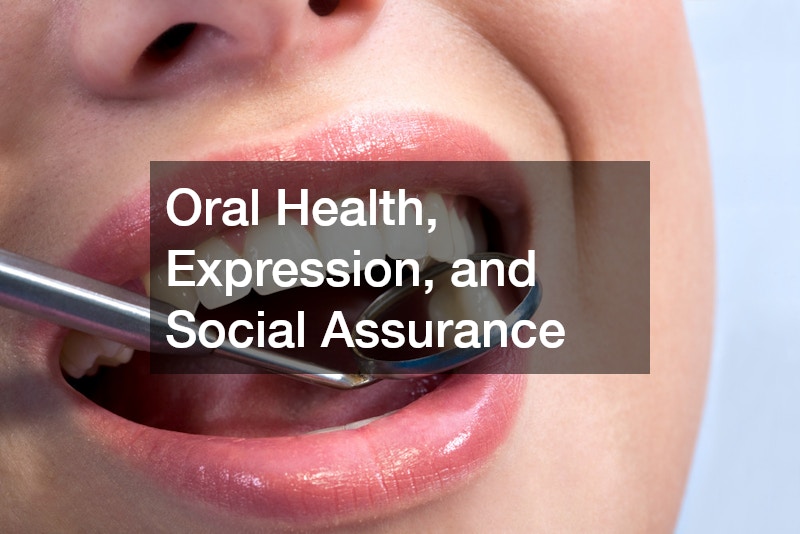
Communication is central to confidence, and oral health plays a surprisingly important role in how comfortably people express themselves. When you feel good about your smile and oral comfort, social interactions often feel less intimidating. Consistent oral care supports not only physical health but also emotional ease in conversations, presentations, and everyday exchanges.
Routine dental care builds confidence by removing a common source of anxiety. Knowing that your oral health is well-maintained allows you to speak, laugh, and engage without self-consciousness. This assurance accumulates over time, making social confidence feel more natural rather than forced.
Working with a cosmetic dentist can be part of a broader self-care strategy focused on long-term well-being. Consistency in appointments and maintenance reinforces the idea that your comfort and expression matter. The confidence gained is not limited to aesthetics; it extends to how freely you communicate and connect with others.
Over time, consistent oral care reduces avoidance behaviors often linked to insecurity. As discomfort or concern diminishes, opportunities for connection expand. This positive feedback loop helps improve your confidence because each successful interaction reinforces your sense of capability and belonging. The more you engage without fear, the stronger your confidence becomes.
Personal Grooming and the Power of Maintenance
Personal grooming routines contribute to confidence by creating a sense of order and self-awareness. When grooming becomes consistent rather than reactive, it supports emotional balance and reduces stress. These routines act as daily affirmations that you are worthy of care and attention.
Maintenance-based self-care encourages patience and realistic expectations. Rather than seeking dramatic transformations, consistent grooming focuses on gradual improvement and comfort. This mindset helps reduce self-criticism and fosters a healthier relationship with your appearance.
Engaging with a hair removal service as part of a routine can support this sense of ease. Consistency allows you to plan and feel prepared for different situations without last-minute stress. The confidence boost often comes from predictability and comfort rather than the service itself.
Over time, grooming routines become grounding rituals. They offer moments of pause and self-connection in otherwise busy days. These moments reinforce self-awareness and emotional regulation, both of which help improve your confidence. When you feel put together in a way that aligns with your preferences, it becomes easier to show up authentically and assertively.
Self-Expression, Identity, and Emotional Grounding
Confidence is deeply connected to identity and self-expression. When people feel free to express who they are, they often experience greater emotional stability and self-assurance. Consistent engagement with meaningful forms of self-expression reinforces this sense of identity, helping improve your confidence over time.
Self-expression does not have to be dramatic or public. It can be subtle, personal, and deeply intentional. Wearing items that carry personal meaning or reflect your values can serve as daily reminders of who you are and what matters to you. These reminders ground you emotionally and provide a sense of continuity across different life roles.
Choosing custom jewelry services can be one way people express individuality and mark meaningful experiences. When worn consistently, these pieces become symbols of self-connection rather than status. The confidence gained comes from feeling anchored in your identity, especially during moments of uncertainty.
Consistency in self-expression reduces the pressure to constantly meet external expectations. As your sense of self becomes clearer, decision-making feels easier and more aligned. This alignment helps improve your confidence because you are acting from a place of authenticity rather than obligation. Over time, this authenticity becomes a steady source of emotional strength.
Physical Support, Recovery, and Sustainable Confidence
Sustainable confidence requires physical resilience. When the body is supported and cared for, emotional endurance improves as well. Consistent attention to recovery, strength, and comfort allows you to engage fully with daily responsibilities without feeling depleted.
Physical self-care is not about pushing limits constantly but about listening and responding to your body’s needs. This responsiveness builds trust and reduces frustration. Over time, this trust helps improve your confidence because you feel capable of managing both effort and rest effectively.
Working with a body contouring specialist may be part of a long-term wellness plan focused on alignment and comfort. Consistency in care helps manage expectations and reinforces a patient-centered, compassionate approach to change. The resulting confidence often stems from feeling supported rather than pressured.
Similarly, addressing physical discomfort through back pain treatments can have a profound impact on confidence. Chronic discomfort often undermines emotional resilience, making even routine tasks feel daunting. Consistent care reduces this burden, allowing confidence to rebuild gradually as comfort improves.

Everyday Organization and Emotional Stability
Seemingly small aspects of daily life can have a significant impact on confidence. Organization, cleanliness, and routine maintenance contribute to a sense of control and calm. When these elements are managed consistently, emotional energy is freed for more meaningful pursuits.
Outsourcing routine tasks to services like local dry cleaning can be a practical form of self-care. By reducing time pressure and decision fatigue, these choices support mental clarity. Confidence benefits from this clarity because it becomes easier to focus on goals rather than logistics.
Consistency in everyday organization reinforces self-efficacy. Each completed task, no matter how minor, contributes to a sense of accomplishment. Over time, this accumulation helps improve your confidence by reinforcing the belief that you can manage your life effectively.
Learning, Growth, and Long-Term Self-Belief
Confidence grows when learning is approached with patience and consistency. Skill development requires time, repetition, and self-compassion. When people commit to learning without expecting immediate mastery, they create space for genuine growth.
Enrolling in a cosmetology class can represent a commitment to personal development and creative exploration. Consistency in learning builds competence, and competence builds confidence. The process itself reinforces self-belief, regardless of the outcome.
Learning environments also provide opportunities to practice resilience. Mistakes become part of progress rather than evidence of inadequacy. This mindset helps improve your confidence by reframing challenges as learning experiences rather than failures. Over time, consistent learning strengthens adaptability and curiosity. These traits support confidence because they reduce fear of the unknown. When you trust your ability to learn and adjust, you move through life with greater assurance and openness.