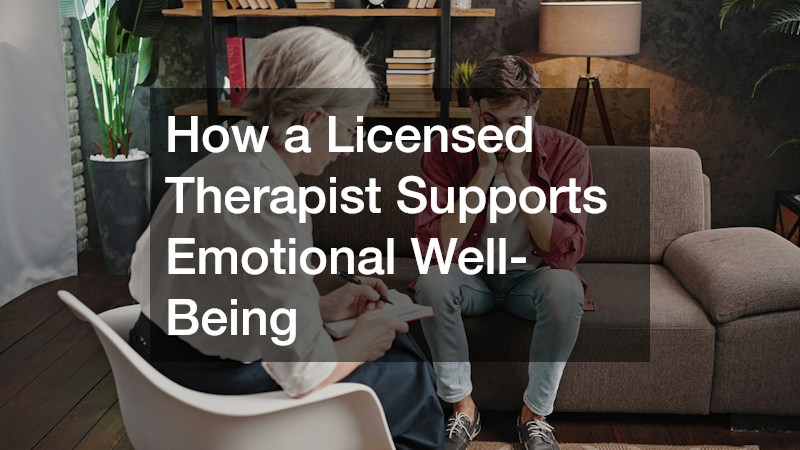
Emotional well-being plays an important role in how people respond to stress, maintain relationships, and manage everyday responsibilities. Life changes, personal challenges, and unexpected circumstances can affect a person’s emotional health, sometimes making it difficult to maintain a sense of balance. Developing healthy coping strategies and understanding emotional responses can help individuals manage these experiences more effectively.
Working with a licensed therapist can provide a supportive environment for exploring feelings, identifying personal challenges, and developing practical skills for everyday life. Therapy offers an opportunity to discuss concerns without judgment while learning strategies that support emotional awareness and resilience.
Whether someone is experiencing ongoing stress or simply wants to improve their self-understanding, professional guidance can help them work toward greater emotional well-being.
Understanding Emotional Well-Being
Emotional well-being involves recognizing, understanding, and responding to feelings in healthy ways. It doesn’t mean feeling happy all the time or avoiding difficult emotions. Instead, it involves developing the ability to manage different experiences while maintaining a sense of perspective and adapting to life’s challenges.
Emotional health can influence many areas of daily life, including decision-making, communication, relationships, and personal confidence. When emotions become difficult to manage, individuals might notice changes in their motivation, concentration, sleep, or interactions with others. Recognizing these patterns can help people understand when additional support could be beneficial.
Therapy provides an opportunity to explore these experiences and identify factors that influence emotional responses. Through guided conversations, individuals can develop a clearer understanding of their feelings, needs, and personal values. This awareness can support healthier choices and encourage a more balanced approach to everyday challenges.
Developing Healthy Coping Strategies
Stress is a normal part of life, but ongoing pressure can make it harder to manage emotions effectively. Work responsibilities, family obligations, financial concerns, and personal transitions can contribute to feelings of frustration or exhaustion. Learning how to respond to stress can help individuals navigate these situations without becoming overwhelmed by their emotions.
A licensed therapist can help individuals identify coping strategies that fit their circumstances and personal preferences. These strategies might include relaxation exercises, mindfulness, journaling, structured problem-solving, or techniques for challenging unhelpful thought patterns. Practicing these skills can help people respond more thoughtfully when difficult situations arise.
Healthy coping also involves recognizing when certain habits provide temporary relief but create additional problems over time. Avoiding difficult conversations, withdrawing from supportive relationships, or ignoring emotional concerns can make challenges harder to address. Therapy can help individuals explore these patterns and develop alternatives that support long-term emotional health.
Navigating Major Life Changes
Life transitions can affect emotional health, even when they involve positive developments. Starting a new job, moving to another community, becoming a parent, ending a relationship, or adjusting to retirement can introduce uncertainty and new responsibilities. Individuals might experience several emotions simultaneously as they adapt to unfamiliar circumstances.
Professional support can help people process these changes and identify what they need during periods of adjustment. Therapy provides an opportunity to discuss concerns, clarify priorities, and explore realistic ways to manage new demands. Having dedicated time to reflect can make it easier to recognize which aspects of a situation are within personal control.
Life transitions can also prompt individuals to reconsider their values and long-term goals. Therapy can help them explore these questions while identifying practical steps toward a more fulfilling routine. This support can be useful when someone feels uncertain about the future or struggles to adjust to changing expectations.
Recognizing When Support May Help
People seek therapy for many different reasons, and they don’t need to experience a crisis before reaching out. Some individuals want help managing persistent stress, while others hope to improve communication, understand recurring emotions, or develop greater confidence. Seeking support can be a proactive way to care for emotional health.
Signs that additional support could be helpful include ongoing sadness, frequent irritability, difficulty concentrating, disrupted sleep, or feeling unable to manage everyday responsibilities. Relationship conflicts and repeated patterns of unhelpful behavior can also indicate that discussing concerns with a professional might be worthwhile. These experiences can have different causes, so an individualized assessment is important.
A licensed therapist can work with individuals to understand their concerns and establish goals that reflect their needs. Progress often involves consistent participation, honest reflection, and practicing new skills between sessions. The pace of therapy varies depending on personal circumstances, treatment goals, and the approaches used.
Emotional well-being involves understanding feelings, developing healthy coping strategies, maintaining supportive relationships, and adapting to life’s changes. Professional guidance can help individuals recognize patterns that affect their daily experiences while providing practical tools for managing challenges. Over time, these skills can support greater self-awareness, confidence, and emotional resilience.
Taking steps to care for emotional health is a personal decision that can benefit people at different stages of life. Whether you’re working through a difficult transition, managing ongoing stress, or seeking personal growth, therapy can offer a structured opportunity to explore your concerns and identify meaningful goals. With consistent effort and appropriate support, individuals can build habits that contribute to healthier relationships and a more balanced daily life.